
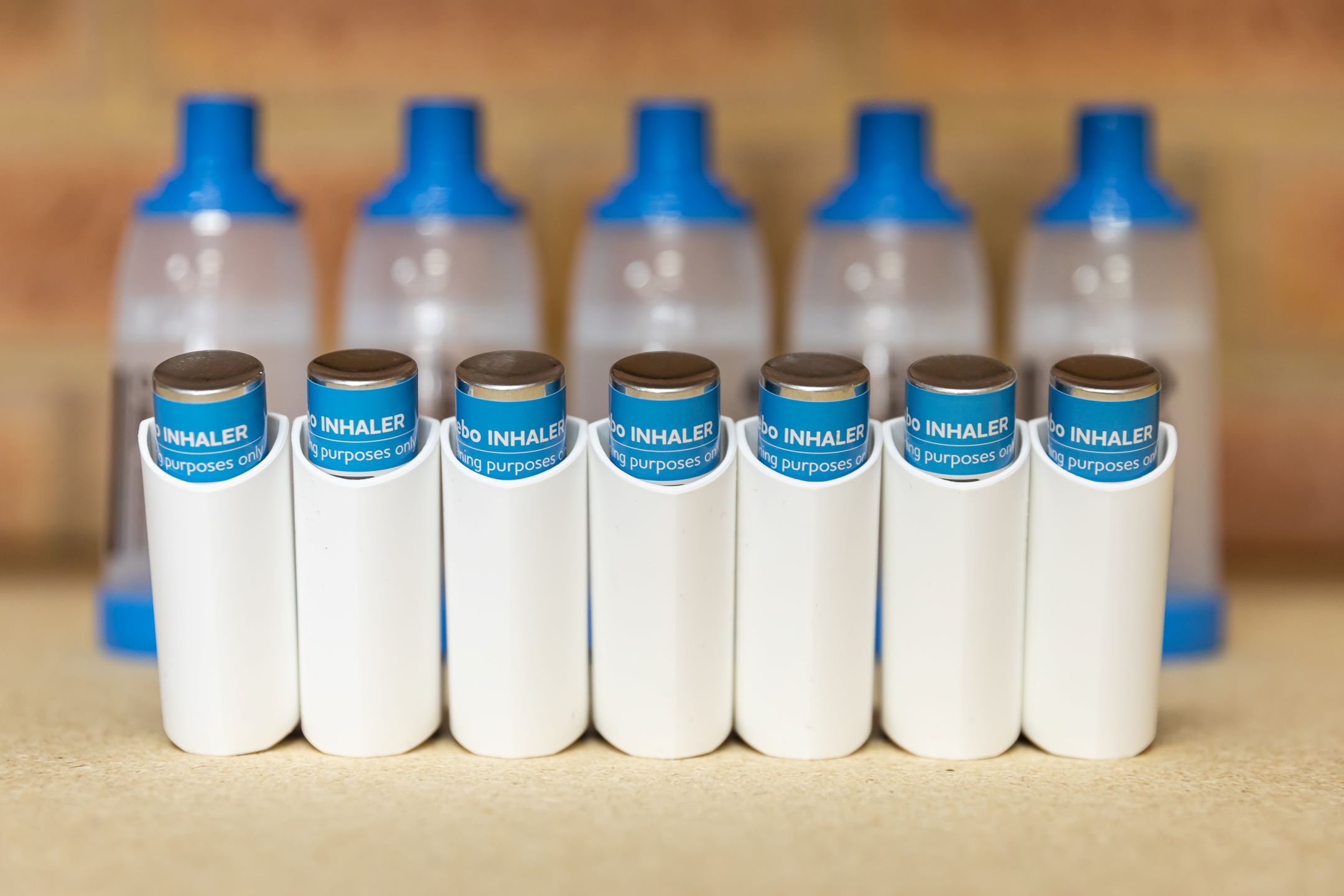
The 4x4x4 method is the asthma first aid plan used across Australia. It is built around four puffs of a blue or grey reliever, four breaths after each puff, and a four minute wait before the person is reassessed. The plan is published by Asthma Australia and the National Asthma Council Australia, and it is covered in nationally recognised first aid training.
This article explains what the plan is, the four steps it sets out, why it is structured the way it is, and what first aid training covers so that you are prepared to recognise an asthma emergency and respond to it.
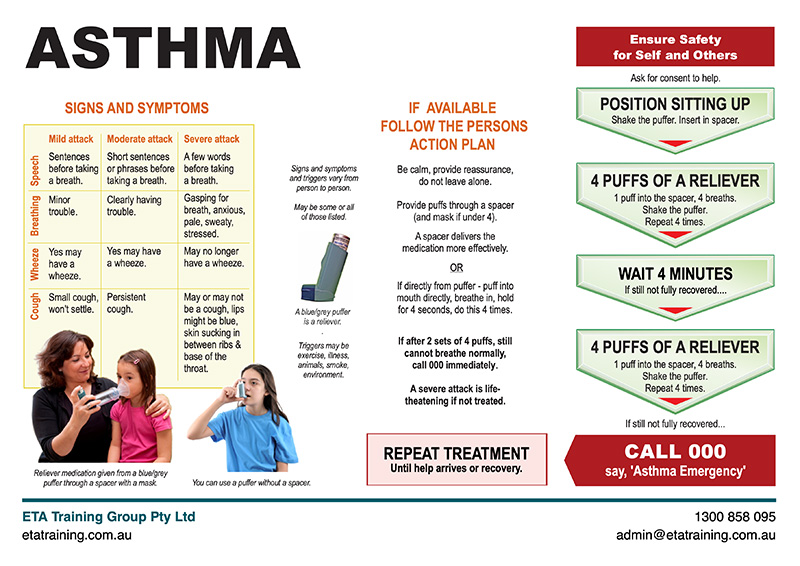
What Does 4x4x4 Stand For?
The three numbers describe the shape of the plan:
- Four puffs of a blue or grey reliever puffer, given one puff at a time
- Four breaths taken after each individual puff
- Four minutes of waiting before the person is reassessed
The plan is deliberately simple. An asthma emergency is stressful, and a response that depends on remembering a complex sequence tends to fail under pressure. Three repeated numbers are easier to hold onto when the person in front of you cannot breathe properly.
The Four Steps of Asthma First Aid
The plan published by Asthma Australia sets out four steps. Stay with the person throughout, and stay calm, because distress makes breathing harder.
- Sit the person upright. Sitting upright makes breathing easier than lying down. Be calm and reassuring, and do not leave them alone.
- Give four separate puffs of a blue or grey reliever. Shake the puffer, put one puff into the spacer, and have the person take four breaths from the spacer. Repeat until four puffs have been given.
- Wait four minutes. If there is no improvement, give four more puffs the same way, one puff at a time with four breaths after each puff.
- If there is still no improvement, call Triple Zero (000). Say that it is an asthma emergency. Keep giving four puffs every four minutes until emergency assistance arrives.
Call an ambulance immediately at any point if the person is severely short of breath, cannot speak in full sentences, or collapses. Where the person has their own written asthma action plan, follow that plan instead.
Why is the Reliever Given One Puff at a Time?
Reliever medication works by relaxing the muscles that have tightened around the airways. Delivering it in single puffs, with breaths in between, gives each dose the best chance of reaching the smaller airways rather than settling in the mouth and throat. The four minute wait exists for the same reason: the medication needs time to work, and reassessing too early leads to the wrong conclusion about whether the person is improving.
What is a Blue or Grey Reliever Puffer?
A reliever is the medication used to open the airways during an asthma flare-up. In Australia these are commonly recognised by their blue or grey canisters. Asthma first aid guidance refers to the colour rather than to a brand name, because more than one brand is available and the colour is the faster identifier under pressure.
A reliever is different from a preventer, which is taken regularly to reduce underlying airway inflammation and is not used for emergency relief. Reaching for the wrong one during an emergency costs time.
Why Does a Spacer Matter?
A spacer is a plastic chamber that attaches to the puffer. The medication is released into the chamber and then breathed in, which slows the delivery and improves how much of the dose reaches the airways.
Spacers are recommended wherever one is available, which is why many workplace and school first aid kits include one. Where none is available, the puffer can still be used on its own.
How Do You Recognise an Asthma Emergency?
Asthma symptoms include wheezing, persistent coughing, shortness of breath, and tightness in the chest. These vary between people, and they vary between episodes for the same person.
The signs that point to an emergency rather than an ordinary flare-up include severe difficulty breathing, difficulty speaking in full sentences, symptoms that worsen quickly, and no improvement after reliever medication has been given. A person having significant trouble breathing needs an ambulance.
One point worth understanding is that the absence of an audible wheeze does not mean the person is improving. Reading the steps is one thing. Making that judgement while someone in front of you is distressed is what supervised training builds.
What is an Asthma Action Plan?
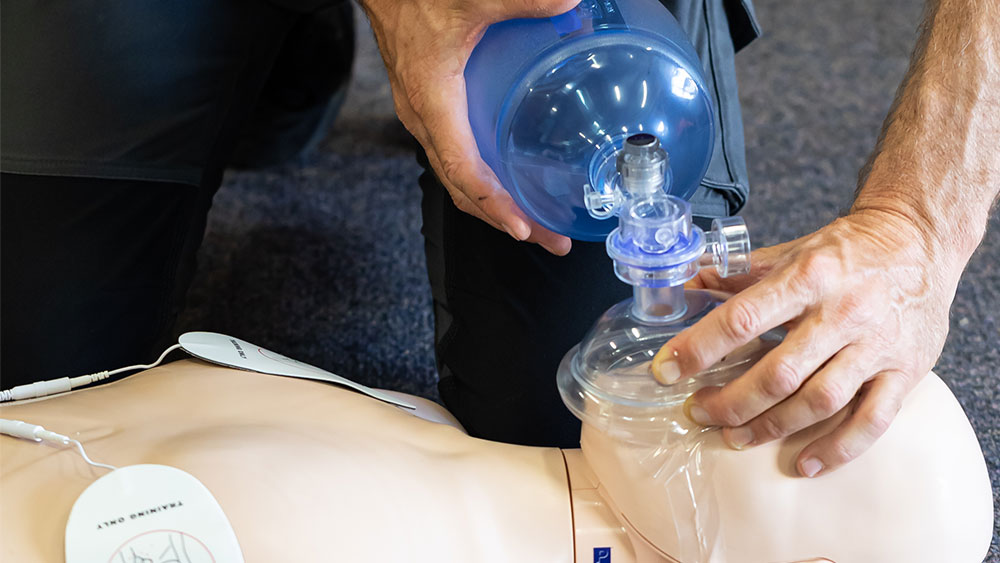
An asthma action plan is a written plan prepared with the person's own doctor. It records their usual medication, what to do when symptoms worsen, and what to do in an emergency.
Where a person has an action plan, that plan takes precedence, because it is written for that individual. Workplaces and schools with people who have known asthma should hold a copy somewhere a first aider can find it quickly.
The 4x4x4 plan applies where no individual action plan is available. Australian asthma first aid guidance also notes that the plan can be followed where a person has not been diagnosed with asthma, which matters when you are responding to a stranger or to a first episode.
Is Asthma First Aid Part of Nationally Recognised First Aid Training?
Yes. Asthma is one of the conditions covered in HLTAID011 Provide First Aid, the nationally recognised qualification most Australian workplaces require. The course covers recognising and managing a casualty with asthma, alongside anaphylaxis, choking, bleeding, shock, fractures, and envenomation.
The first aid course delivered by ETA Training covers three units in a single enrolment:
- HLTAID011 Provide First Aid
- HLTAID010 Provide Basic Emergency Life Support
- HLTAID009 Provide Cardiopulmonary Resuscitation
Training is delivered on behalf of Allens Training Pty Ltd, RTO 90909. The HLTAID011 certificate is valid for three years, and the CPR component should be refreshed every twelve months.
Why Hands-On Training Makes the Difference
Reading the plan and applying it while someone is struggling to breathe are different things. In a first aid course you handle a puffer and a spacer, work through asthma scenarios with a qualified trainer, and practise the judgement calls: whether the plan is working, and when to call an ambulance.
The same session covers the DRSABCD action plan, the response framework that sits underneath every first aid emergency, and CPR. If you already hold a current first aid certificate and only need to keep your CPR current, a standalone CPR course covers the annual renewal.
Book Your First Aid Course in Perth
ETA Training delivers nationally recognised first aid courses at Wangara, Welshpool, and Treeby. The course combines approximately two to three hours of self-paced online theory with a two hour face-to-face practical assessment.
Booking is completed online in four steps:
- Book using the online course calendar. Choose the course, choose the day, and pay online via the secure booking portal at any time.
- Complete online learning units in your own time. The link to complete online theory is emailed once the face-to-face session is booked. Online units must be completed before the date of the course.
- Complete practical units at the training centres. Attend the classroom face-to-face session on the day and time of booking. Venues: Wangara, Welshpool, Treeby.
- Receive your training certification. Once both pre-course theory and face-to-face practical components are completed, the certificate is issued. All certification provided by Allens Training Pty Ltd, RTO 90909.
Your Statement of Attainment is typically issued on the same day of successful course completion.
Visit the first aid course page to check session availability and book online.
Heading 1
Heading 2
Heading 3
Heading 4
Heading 5
Heading 6
Lorem ipsum dolor sit amet, consectetur adipiscing elit, sed do eiusmod tempor incididunt ut labore et dolore magna aliqua. Ut enim ad minim veniam, quis nostrud exercitation ullamco laboris nisi ut aliquip ex ea commodo consequat. Duis aute irure dolor in reprehenderit in voluptate velit esse cillum dolore eu fugiat nulla pariatur.
Block quote
Ordered list
- Item 1
- Item 2
- Item 3
Unordered list
- Item A
- Item B
- Item C
Bold text
Emphasis
Superscript
Subscript


