

Anaphylaxis is a severe, potentially life-threatening allergic reaction that can develop within minutes of exposure to a trigger. Knowing how to recognise it and respond correctly can make the difference between a full recovery and a fatal outcome. Anaphylaxis first aid is a core component of every nationally recognised first aid course in Australia, and for good reason. The right response, delivered with confidence, saves lives.
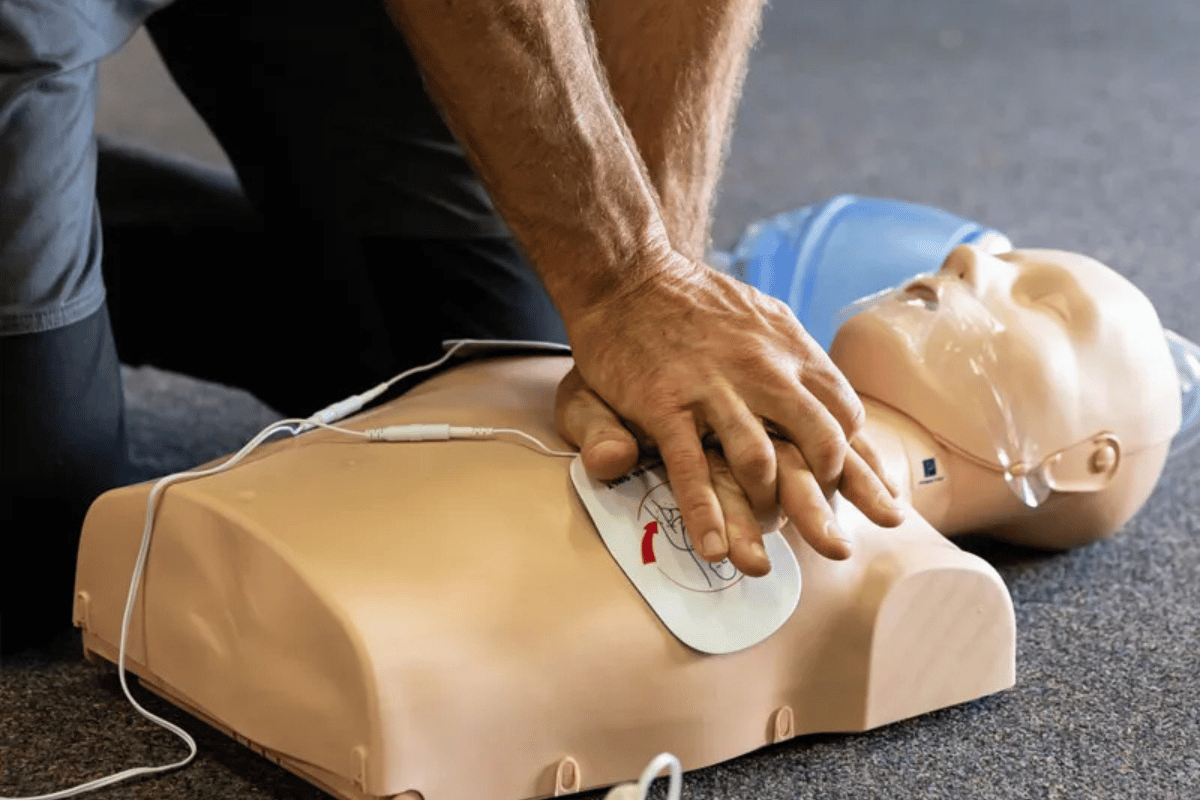
What is Anaphylaxis?
Anaphylaxis is the most severe form of allergic reaction. It occurs when the immune system overreacts to an allergen and triggers a response that affects multiple body systems at once, particularly the airways and cardiovascular system.
Unlike a mild allergic reaction, which might cause a rash or itchy eyes, anaphylaxis can cause the airway to swell, blood pressure to drop dangerously, and in severe cases, can be fatal without prompt treatment. The Australasian Society of Clinical Immunology and Allergy (ASCIA) defines it as a medical emergency that must always be treated as one.
People with both asthma and a known allergy are at higher risk of a severe reaction. Anyone at risk should carry prescribed medication and have an ASCIA Action Plan completed by their doctor.
Signs and Symptoms of Anaphylaxis
Symptoms can appear within minutes of exposure and may affect several systems at once. Importantly, not all symptoms appear in every case. Skin symptoms can sometimes be absent entirely, which is why any combination of breathing or circulation problems following allergen exposure should be treated as a potential anaphylactic emergency.
Skin symptoms
- Hives, welts, or a raised red rash
- Swelling of the face, lips, tongue, or throat
- Flushing, redness, or tingling of the skin
Breathing symptoms
- Difficulty breathing or shortness of breath
- Wheezing, persistent cough, or noisy breathing
- Hoarse voice or a feeling of throat tightness
Circulation symptoms
- Sudden drop in blood pressure
- Rapid or weak pulse
- Dizziness, light-headedness, or fainting
Other symptoms
- Nausea, vomiting, or abdominal pain
- Collapse or loss of consciousness
- A sudden feeling of anxiety or impending doom
If in doubt, treat it as anaphylaxis. This is the consistent guidance from ASCIA and the Australian Resuscitation Council. Knowing how to make that call quickly and correctly is something first aid training teaches you to do.
Anaphylaxis vs Anaphylactic Shock: What is the Difference?
These terms are often used interchangeably. Anaphylaxis refers to the full severe allergic reaction. Anaphylactic shock specifically describes what happens when anaphylaxis causes blood pressure to drop to a level that threatens organ function.
For first aid purposes, the distinction does not change the response. Both are medical emergencies requiring immediate action and a call to Triple Zero (000). First aid training prepares you to recognise the signs, act without hesitation, and keep the person safe until paramedics arrive.
What to Do in an Anaphylactic Emergency
Anaphylaxis first aid follows the DRSABCD action plan, with adrenaline administration as the critical first intervention once the scene is safe and emergency services have been contacted.
The correct response to a suspected anaphylactic emergency involves positioning the person appropriately, administering an adrenaline autoinjector if one is available, calling Triple Zero (000) immediately, monitoring the person closely, and beginning CPR if they become unresponsive and stop breathing normally.
The specifics of how to carry out each of these steps correctly, including which positioning is appropriate in different circumstances, when and how to use an adrenaline device, and how to manage the situation until paramedics arrive, are covered in full during a face-to-face first aid course under the supervision of a qualified trainer.
This is not something that should be learned for the first time in an emergency. A first aid course gives you the structured, practical training to respond correctly and confidently when it matters.
Adrenaline Autoinjectors: What First Aid Training Covers
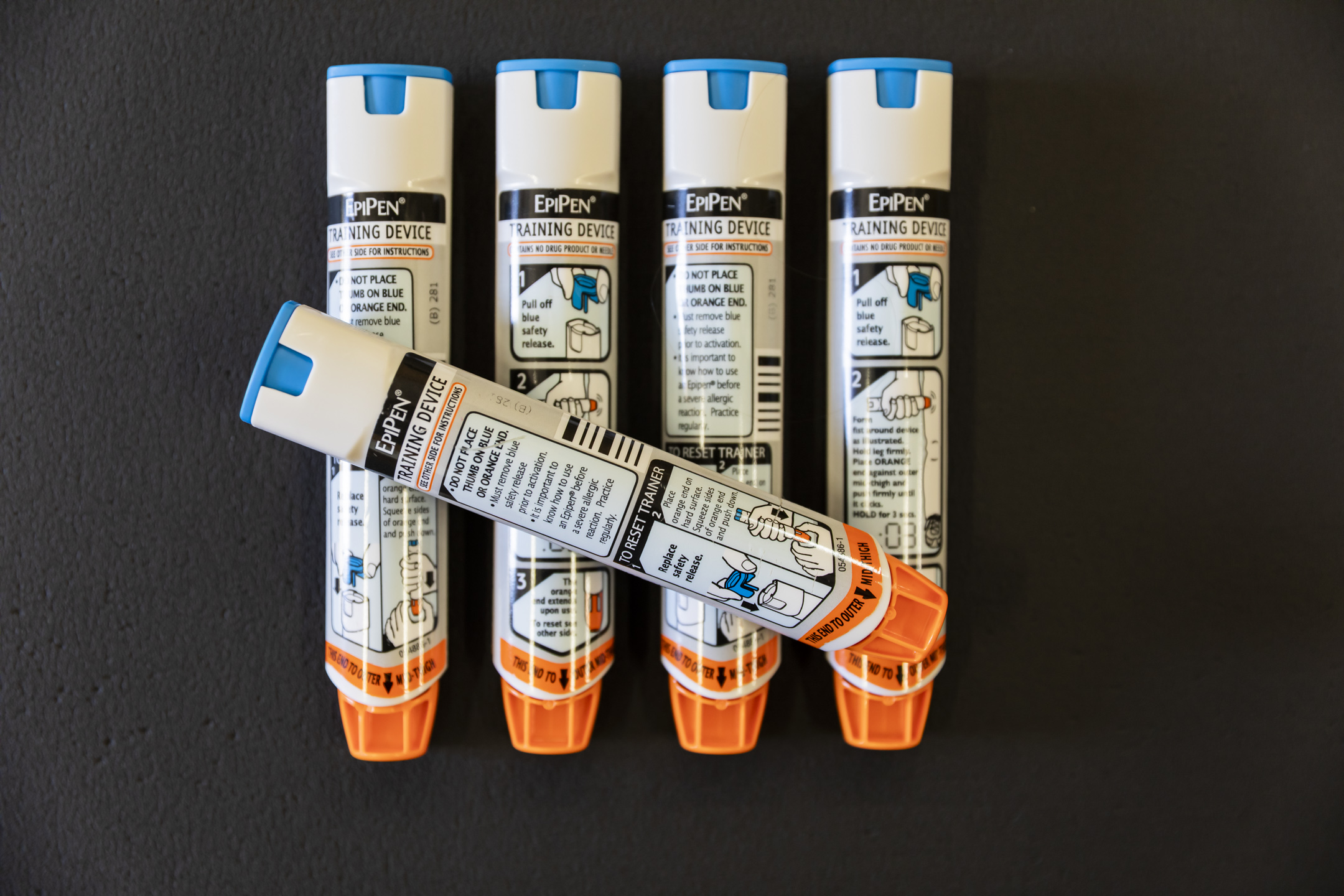
Adrenaline is the first-line treatment for anaphylaxis and is delivered via an autoinjector device. In Australia, several adrenaline autoinjector devices are currently approved and available, including EpiPen and Anapen.
Autoinjectors are designed for use by people without medical training. However, knowing how to locate one quickly, use it correctly under pressure, and know what to do next requires practice. First aid courses include hands-on training with trainer devices so that participants can practise the technique in a safe, supervised environment.
If in doubt, give the adrenaline device. ASCIA guidance is clear: it is safer to use adrenaline when unsure than to delay treatment. First aid training reinforces this principle and builds the confidence to act on it.
Common Triggers of Anaphylaxis in Australia
Anaphylaxis can be triggered by a range of substances. The most common triggers in Australia include:
- Foods: peanuts, tree nuts, shellfish, fish, milk, eggs, wheat, and sesame
- Insect stings: bees, wasps, and jack jumper ants
- Medications: antibiotics, aspirin, anti-inflammatory drugs, and some anaesthetics
- Latex: particularly relevant in healthcare and some trade environments
Anaphylaxis does not always occur in someone with a known allergy. First reactions can happen in adults and children with no prior history, which is one more reason why workplace and community first aid training has real value.
How First Aid Training Prepares You for Anaphylactic Emergencies
Reading about anaphylaxis gives you context. Hands-on training with a qualified instructor gives you the skills and confidence to act when it happens in front of you.
In a nationally recognised first aid course, you will learn to recognise the signs of anaphylaxis across different presentations, understand how to respond using the DRSABCD framework, practise with an adrenaline autoinjector trainer device, and know when and how to begin CPR if the situation requires it.
For workplaces with higher anaphylaxis risk, such as food service, childcare, schools, or healthcare settings, having staff trained in anaphylaxis first aid is both practical and a duty of care responsibility under workplace health and safety legislation. Check with your employer or SafeWork WA for the first aid requirements specific to your industry.
Frequently Asked Questions
Can anyone administer an adrenaline autoinjector in an emergency?
Yes. In Australia, anyone can administer an adrenaline autoinjector to someone experiencing a severe allergic reaction when acting in good faith in an emergency. First aid training teaches you how to use these devices correctly so you can act quickly and without hesitation.
What happens after an adrenaline autoinjector is given?
Even if symptoms improve after the device is used, the person must be taken to hospital for monitoring. A second wave of symptoms, known as a biphasic reaction, can occur hours after the initial episode. First aid training covers what to do between administering the device and paramedics arriving, including ongoing monitoring and beginning CPR if needed.
Do I need a prescription to carry an adrenaline autoinjector?
In Australia, adrenaline autoinjectors for personal use require a prescription. Some workplaces, schools, and public settings may hold general-use devices as part of their first aid supplies. Speak with your GP or an allergy specialist about whether you or someone in your care should carry a prescribed device.
Book Your First Aid Training in Perth
Anaphylaxis can happen anywhere, at any time, to anyone. The people most likely to make a real difference in the minutes before an ambulance arrives are those who have already been trained and have the confidence to act without hesitation.
Getting certified through ETA Training is a simple four-step process:
- Book using the online course calendar. Choose your course, pick a date, and pay securely online.
- Complete the online learning units in your own time. Your theory link is emailed to you once booked.
- Attend the face-to-face practical session at Wangara, Welshpool, or Treeby, where qualified trainers guide you through hands-on anaphylaxis response, CPR, and the full DRSABCD action plan.
- Receive your nationally recognised certification through Allens Training Pty Ltd (RTO 90909).
Visit the First Aid course page to check dates and book online.
Heading 1
Heading 2
Heading 3
Heading 4
Heading 5
Heading 6
Lorem ipsum dolor sit amet, consectetur adipiscing elit, sed do eiusmod tempor incididunt ut labore et dolore magna aliqua. Ut enim ad minim veniam, quis nostrud exercitation ullamco laboris nisi ut aliquip ex ea commodo consequat. Duis aute irure dolor in reprehenderit in voluptate velit esse cillum dolore eu fugiat nulla pariatur.
Block quote
Ordered list
- Item 1
- Item 2
- Item 3
Unordered list
- Item A
- Item B
- Item C
Bold text
Emphasis
Superscript
Subscript


